

The Allure of the Gamble: Why Casinos Captivate Us
Casinos possess a unique psychological draw, tapping into fundamental human desires for excitement, reward, and the thrill of the unknown. The carefully curated atmosphere – the ambient music, the flashing lights, the clinking of chips – all contribute to an immersive experience designed to heighten emotions, and it is here that many find the allure of luckymanorcas.org.uk offers a different kind of engagement. This environment fosters a sense of anticipation, where each spin of the roulette wheel or shuffle of cards holds the potential for a life-changing outcome.
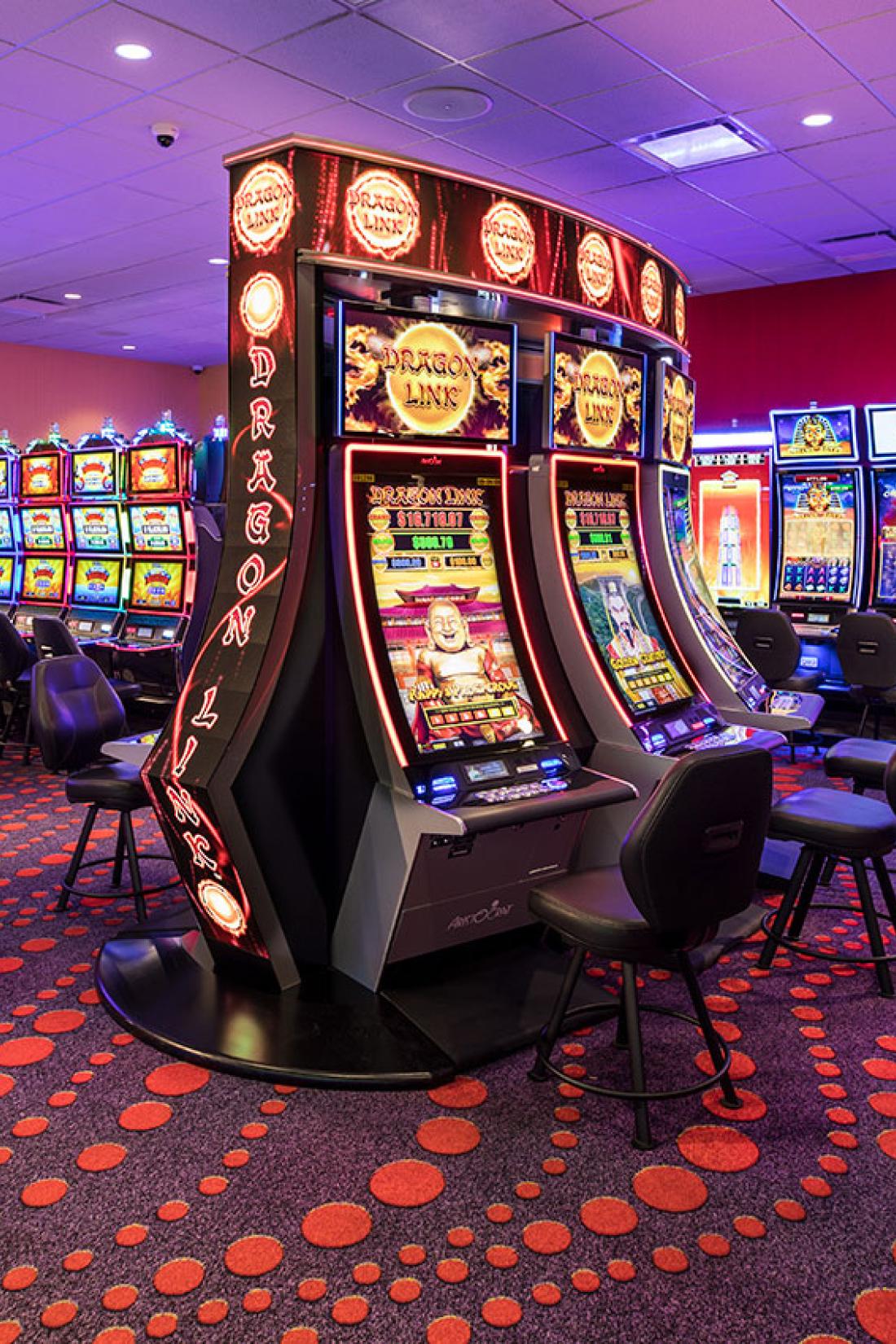
At its core, the appeal of casino gaming lies in the intermittent reinforcement schedule it employs. This means that rewards are not given out consistently, but rather unpredictably. This pattern is notoriously effective in maintaining behavior, as individuals continue to play in the hope of hitting the next jackpot. The fleeting moments of triumph, however small, reinforce the desire to continue playing, creating a powerful feedback loop.
Understanding the Dopamine Rush of a Casino Win
The sensation of winning at a casino is intrinsically linked to the release of dopamine, a neurotransmitter associated with pleasure and reward. When a player experiences a win, whether it’s a small payout or a significant jackpot, their brain releases dopamine, creating a euphoric feeling. This biochemical response is a powerful motivator, encouraging the player to repeat the actions that led to the reward.
This dopamine surge can create a strong positive association with the act of gambling. Even a near miss can trigger a similar, albeit less intense, dopamine response, fostering a sense of “almost winning” and encouraging continued play. This psychological mechanism explains why players can feel drawn back to the tables or machines, driven by the memory and anticipation of that rewarding sensation.
The Cognitive Biases at Play in Casino Environments
Casino patrons often fall prey to various cognitive biases that influence their decision-making. The “gambler’s fallacy,” for instance, is the mistaken belief that if a particular event occurs more frequently than normal during a given period, it will occur less frequently in the future, or vice versa. This can lead players to make irrational bets based on past outcomes, ignoring the inherent randomness of casino games.
Another common bias is the “illusion of control,” where players believe they have some influence over the outcome of games of chance. This might manifest as a specific way of rolling dice or a superstition surrounding a particular machine. These beliefs, while unfounded, can provide a sense of agency and comfort in an otherwise unpredictable environment, further solidifying engagement with the casino experience.
Navigating Risk and Reward: The Psychological Tightrope
The psychology of casino wins is a delicate balance between the perceived rewards and the inherent risks. For many, the thrill of potential gain outweighs the likelihood of loss, creating an exciting, albeit potentially dangerous, pastime. The anticipation of a win can be more compelling than the win itself, a phenomenon that drives much of the engagement in casino environments.
Responsible gambling acknowledges this psychological interplay. Understanding the powerful allure of casino wins means recognizing the need for self-awareness and setting clear limits. The rewarding feeling of a win is a potent force, and it’s crucial to approach casino experiences with a clear head, appreciating the entertainment value without succumbing to the more compulsive aspects of the psychology at play.

Lucky Manor Cas: A Community-Focused Approach to Engagement
While the broader psychological appeal of casino wins is undeniable, organizations like Lucky Manor Cas often operate with a different, more community-oriented purpose. These entities, often linked to charitable causes or local initiatives, channel engagement and support through various activities, sometimes including events with a recreational or fundraising element that might evoke a sense of shared anticipation and reward for a good cause.
Lucky Manor Cas likely aims to foster a sense of togetherness and positive contribution. The “reward” in their context is often derived from collective achievement and the satisfaction of supporting a meaningful endeavor. Their focus is on building community spirit and providing tangible benefits to their cause, offering a different, more socially conscious dimension to the concept of shared positive outcomes.